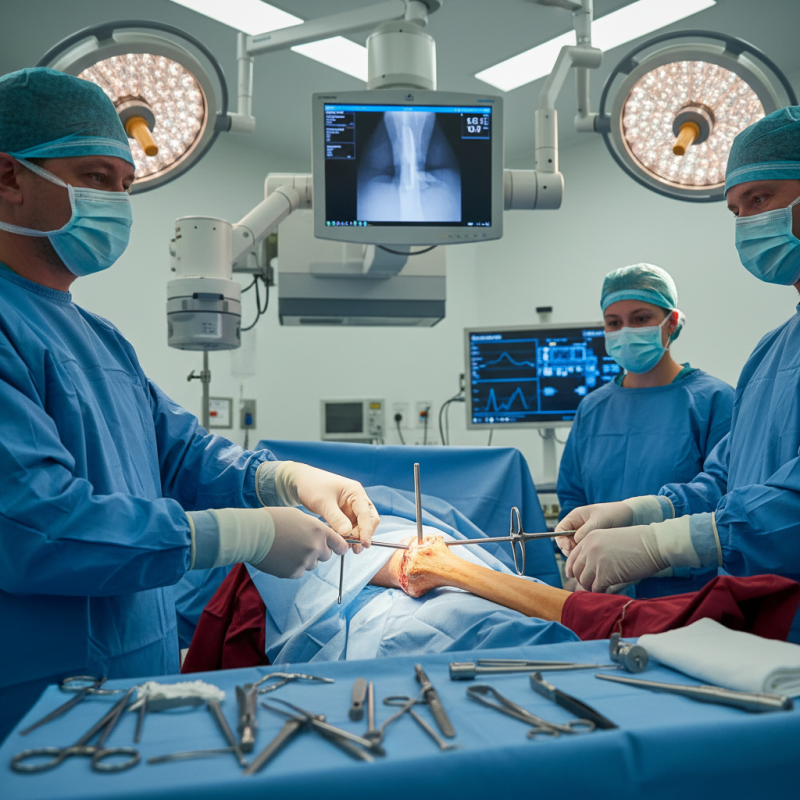
Understanding Nail Intramedullari What Are Its Benefits?
nail intramedullari, a technique in orthopedic surgery, has garnered attention for its numerous benefits. Renowned expert Dr. Emily Hart states, "Nail Intramedullari revolutionizes bone healing with its minimally invasive approach." This method allows for faster recovery and improved mobility in patients.
Patients appreciate the reduced pain and shorter hospital stays. However, it is important to acknowledge that Nail Intramedullari may not be suitable for everyone. Some patients experience complications or slow healing times. These factors require careful consideration when opting for this procedure.
In essence, Nail Intramedullari offers significant advantages in orthopedic care. Yet, the decision to use this technique must be guided by professional expertise and individual patient circumstances. Balancing pros and cons is vital for achieving optimal outcomes.
Understanding Intramedullary Nails: Definition and Purpose
Intramedullary nails are critical in orthopedic surgery. They serve as internal splints for fractures, offering stability and support. This method aligns well with the natural anatomy of bones. Reports show that about 80% of orthopedic surgeons prefer intramedullary fixation for long bone fractures. This preference stems from its capability to reduce recovery time and minimize complications.
When intramedullary nails are properly inserted, they allow for earlier mobilization. Patients often experience a significant reduction in pain levels. However, challenges still exist. Surgeons must ensure correct alignment during placement. Misalignment can lead to delayed healing or malunion. A study revealed that roughly 15% of patients face complications due to improper techniques. This highlights the need for ongoing training and practice in the orthopedic field.
Moreover, the choice of nail design can impact patient outcomes. Some nails are fully locked while others are not. Research indicates that fully locked nails provide improved rotational stability, yet they may complicate removal during a later surgery. These considerations emphasize the need to balance immediate benefits with long-term implications when choosing the right approach for fracture repairs.
Understanding Intramedullary Nails: Usage and Benefits
The Anatomy of Intramedullary Nails: Components and Design
Intramedullary nails serve a vital role in treating bone fractures. Their design reflects both functionality and innovation. These nails are typically made from durable materials like titanium or stainless steel. They are slim, allowing for less invasive insertion. This minimizes damage to surrounding tissues. The core component of an intramedullary nail is its tubular shape. This design helps distribute weight evenly along the bone.
The nail often has interlocking holes. These holes enable surgeons to secure the nail in place with screws. This enhances stability during the healing process. The locking mechanism also prevents rotational movements. This feature is crucial as it helps maintain proper alignment while the bone heals. Some nails come with a slight curve to better conform to the bone's natural shape.
Not every case is perfect. Patients may experience complications like infections or misalignment. Surgeons must be mindful of these risks. Further, the choice of nail must consider the patient's unique anatomy. Each person has different bone structures. This variability can impact the success of the procedure. Understanding these elements is essential for optimal patient outcomes.
Benefits of Intramedullary Nails in Fracture Treatment
Intramedullary (IM) nails are crucial in treating long bone fractures. They provide strong internal support while preserving the bone's structural integrity. Research shows that IM nails can reduce healing time compared to traditional methods. A study found that 85% of patients with femur fractures using IM nails achieved a full recovery in under six months.
One notable benefit of IM nails is their ability to minimize soft tissue damage. In a report, patients experienced fewer complications and improved mobility post-surgery. This method also allows for easier nail removal when necessary. However, some patients report discomfort during the healing phase. The risk of infection, although low, is an ongoing concern. Surgeons must weigh these factors before deciding on this method.
It’s essential to consider the potential for malalignment with improper placement. In some cases, this may lead to complications that prolong rehabilitation. Constant monitoring and follow-up appointments are critical. Overall, while intramedullary nails have remarkable benefits, they also present challenges. Balancing effectiveness with patient needs is vital.
Understanding Nail Intramedullari: What Are Its Benefits? - Benefits of Intramedullary Nails in Fracture Treatment
| Benefit | Description | Applicable Fracture Types | Recovery Time |
| Minimally Invasive | Reduced soft tissue damage compared to other surgical options. | Long bone fractures (femur, tibia) | 6-12 weeks |
| Immediate Stability | Provides structural support for faster healing. | Diaphyseal fractures | 6-10 weeks |
| Better Alignment | Allows for improved positioning of the fragmented bone ends. | Complex fractures | 8-14 weeks |
| Reduced Complications | Lower risk of infection and complications compared to external fixators. | Open fractures | 8-12 weeks |
| Enhanced Mobility | Facilitates early weight bearing and rehabilitation. | Fractures needing early mobilization | 4-8 weeks |
Comparative Analysis: Intramedullary Nails vs. Other Fixation Methods
Intramedullary nails have gained attention in the world of orthopedic surgery. Their design allows them to fit snugly within the medullary cavity of long bones. This method provides stability and promotes healing, often leading to faster recovery times. The ease of insertion is a key benefit, minimizing the amount of soft tissue damage. Surgeons appreciate how these nails help in maintaining fracture alignment.
When comparing intramedullary nails to other fixation methods, there are notable differences. Plates and screws often require larger incisions, which can increase the risk of complications. Some patients experience prolonged recovery with traditional techniques. However, intramedullary nails may not be suitable for all types of fractures. In complex cases, alternative methods might offer better outcomes.
Additionally, there are concerns about intramedullary nails. Some patients might develop complications like nail irritation or malunion. Understanding these potential downsides is essential. Each fixation method brings unique advantages and risks. Surgeons must evaluate these carefully to choose the best approach for their patients.
Post-Operative Care and Rehabilitation After Intramedullary Nailing
After intramedullary nailing, post-operative care is critical for recovery. Patients often face pain management and mobility issues. It is vital to follow the surgeon's guidance closely. Attending follow-up appointments is essential. These check-ups help monitor healing and address any complications early.
Physical therapy plays a significant role in rehabilitation. Engaging in recommended exercises can enhance strength and flexibility. Start with gentle movements. Gradually increase intensity based on comfort. Listening to your body is key. Some days may feel tougher than others. Be patient with your progress.
Tips for a smooth recovery include staying hydrated and maintaining a healthy diet. Proper nutrition supports healing and energy levels. Use ice packs to reduce swelling. Aim for adequate rest each night. Invest time in mental wellness, too. Engaging in relaxation techniques can alleviate anxiety about the recovery process.